signedleaf 0 to the root in 8 levels256 of 256 keys left
Build what
survives
Q-day.
One identity from any wallet: 256 one-time hash-based keys that sign for your agents, their wallets, your asset proofs and your vaults. Every record lands on Robinhood Chain and checks out with SHA-256 alone.
one identity
256 keys, one root.
One signature from your wallet becomes 256 one-time hash-based keys. Each pair hashes into the level above; eight levels up, a single Merkle root is your public key.
each signs once
Every key signs once, then it is gone.
A key that signed is never handed out again, in any product. Everything it signed stays checkable with SHA-256 alone, after Q-day too.
On Q-day every signature on this chain becomes deniable. Ours don’t.
Q-day
The day a quantum computer can forge secp256k1, the curve behind every wallet on this chain. From then on any old signature can be denied, because anyone could have made it. A hash-based signature does not rest on that curve; it rests on SHA-256.
Check your wallet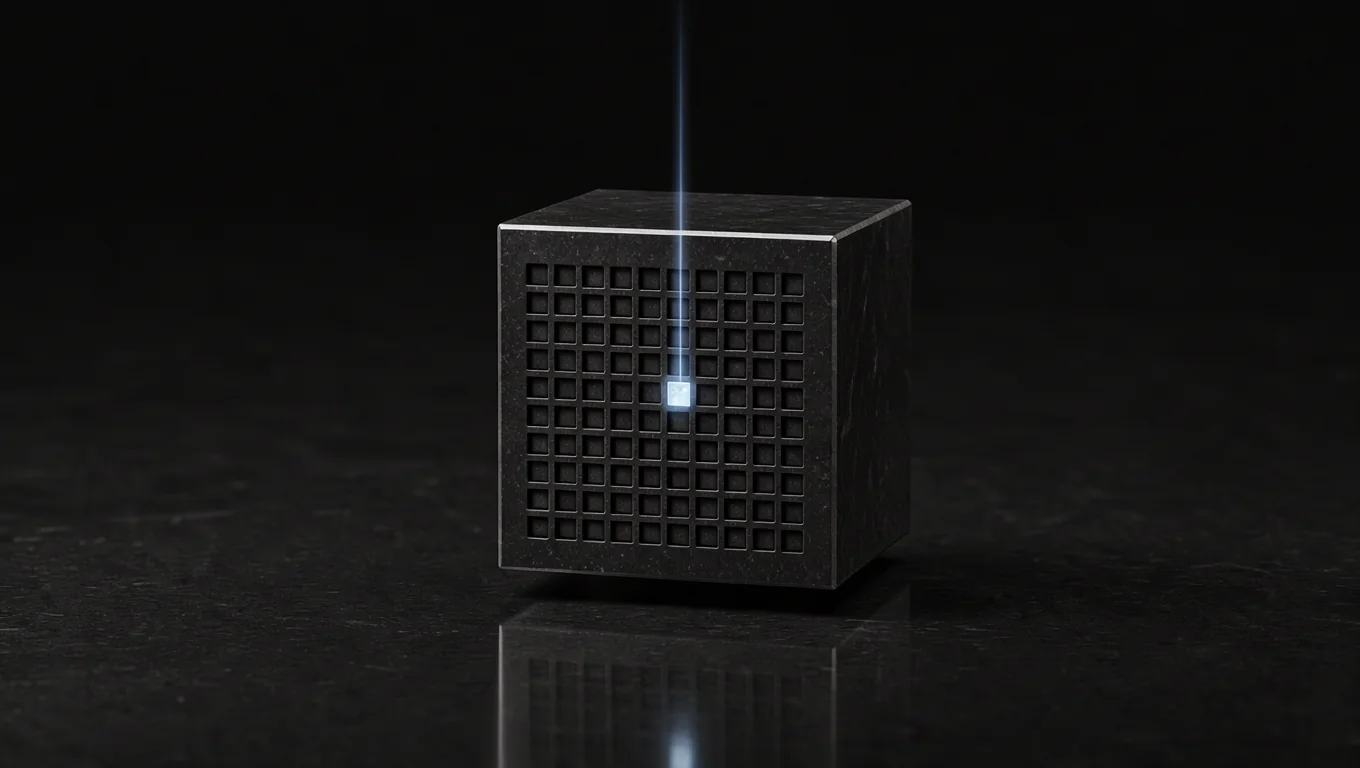
Agents
Build agents that survive Q-day.
Register an agent under your identity, bound to a policy document. Every action it takes burns one leaf, so its history stays provable after the curve breaks.
- signs
- one leaf per action, never reused
- binds
- name, capabilities, policy hash, operator
- anchors
- the record and its signature, on chain

Agent wallets
Give agents wallets that survive Q-day.
Wallets derived from the agent’s identity, with a daily limit. Each transfer carries two signatures: secp256k1 for the chain, a WOTS leaf for the record that outlives it.
- chain
- secp256k1, as every wallet today
- record
- a WOTS leaf over the same transfer
- policy
- a daily limit per wallet
RWA proofs
Bring RWA onchain with proofs that survive Q-day.
Hash an asset’s documents in your browser, sign the manifest root once, anchor it. Anyone holding the files can check the proof with SHA-256 and nothing else.
- hashes
- every document, locally, never uploaded
- signs
- one Merkle root over the manifest
- checks
- with SHA-256 alone, by anyone
Liquidity vaults
Build liquidity vaults that survive Q-day.
Funds leave only when the contract itself verifies 67 hash chains. Each withdrawal spends one key and rolls the remainder into the next vault.
- verifies
- 67 chains in the contract, SHA-256 precompile
- holds
- ETH or USDG, with a cap and a cooldown
- rolls
- the remainder into vault[i+1]
What a proof looks like.
One signature, replayed with real SHA-256 arithmetic: 67 chains finished, one leaf, eight Merkle levels, one root compared. That check needs nothing else, which is why it still works after Q-day.
- Level 1fac7eaa985…8d1740d0
- Level 27624f17bd6…c7381d55
- Level 3c36bc83d50…e72989e0
- Level 4526e20a1ad…f26f1f5c
- Level 5684927e62e…61d75c23
- Level 6bf2afa4604…912fcb08
- Level 7b67edd16b2…d0d09519
- Level 8e5e6b48f9b…24510e55
The first record published on chain appears here: what was signed, by which identity, with which leaf.
Ordinary wallet transfers are still enforced by secp256k1; their post-quantum half is the record. Vault withdrawals are the one place the chain itself refuses a spender without a valid hash-based signature.